

Government solely by consent of the ruled is a natural outgrowth of this view. The positive-regulation school of legal thought would recognize the lawmaker’s command as reliable; questions about the legislation’s morality or immorality wouldn’t be important. In contrast, the pure-law faculty of legal thought would refuse to recognize the legitimacy of laws that did not conform to natural, common, or divine regulation. If a lawmaker issued a command that was in violation of pure law, a citizen could be morally justified in demonstrating civil disobedience.
Attention RBG Fans: Banana Republic Is Re-Issuing Its Original Dissent Collar
Technically, forcing a person to dress a specific means could violate the best to self-expression, which the First Amendment ensures. However, if carrying a uniform can decrease gang-associated conflicts at school and stop prisoners from efficiently escaping, the government can constitutionally suppress free speech in these areas. Cora stands on a public sidewalk and criticizes President Obama’s health-care plan. Although different people may be aggravated by Cora’s words, the government can not arrest or criminally prosecute Cora for her speech because the First Amendment of the US Constitution guarantees each individual the proper to speak freely.
The deadline can differ, relying on the type of civil case or the crime charged. Equitable Pertaining to civil fits in “fairness” rather than in “legislation.” In English legal history, the courts of “legislation” may order the payment of damages and will afford no different remedy (see damages). In American jurisprudence, the federal courts have each authorized … Read More
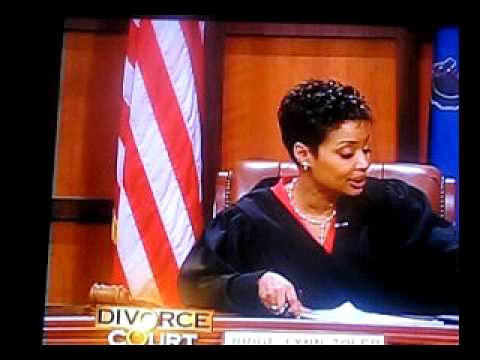 Getting a divorce is usually a main life change. In jurisdictions adopting the ‘no-fault’ principle regarding whether to grant a divorce, some courts may still take into account the fault of the parties when figuring out some aspects of the content material of the divorce decree, e.g., its phrases for the division of property and debts and the existence and, if relevant, the quantity of spousal support.