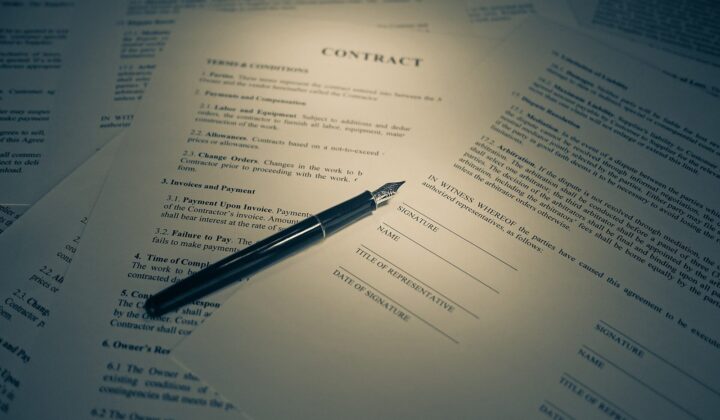
Small claims court exists so that ordinary disputes can be resolved without a lawyer’s bill exceeding the amount in dispute. The procedure is simplified, the hearings are short, and the rules of evidence are relaxed. That does not mean it is informal in the way people expect. The judge still applies the law, the deadlines still matter, and the party who brings documents usually wins.
This guide covers what small claims handles, how to file, how to prepare, and what actually happens in the room.
What small claims is for
Small claims divisions handle money disputes below a threshold set by state law. The limit varies widely — some states cap claims at a few thousand dollars, others allow considerably more — and it changes. Check your state court’s current limit before you file, because filing above the cap usually means your case is transferred to a higher court with formal rules and higher fees.
Typical small claims matters include:
- Unpaid invoices for work performed
- Security deposit disputes and unpaid rent
- Property damage from a vehicle collision
- Defective goods or services not delivered
- Loans between individuals that were never repaid
- Minor contract disputes between small businesses
Some matters are excluded no matter the amount: most family law, bankruptcy, and cases where the remedy is something other than money. Small claims generally cannot order someone to do something — repair a roof, return a specific item, stop a nuisance. It awards money. If your real goal is performance rather than payment, small claims may not be the right forum.
Who can sue, and where
Individuals can file. So can sole proprietors and, in most states, corporations and LLCs, though some states require a business to be represented by an attorney or by an authorized officer. That single rule trips up a lot of small businesses: check it before you file, because showing up without proper authority can get your case dismissed.
Venue rules decide which court you file in. The usual options are the county where the defendant lives, where the business is located, or where the events happened. Filing in the wrong county gets the case moved or dismissed, and you may lose the filing fee.
You also need a proper legal name and address for the defendant. If it is a business, get the registered agent’s name and address from the state’s business registry. Serving the wrong entity is one of the most common reasons small claims cases fail.
Filing: the paperwork
Most states allow filing online, by mail, or in person at the clerk’s office. The form asks for the parties, the amount claimed, and a short statement of what happened. Keep the statement factual and brief — a few sentences describing the transaction, the failure, and the amount owed.
Attach copies, not originals, of the key documents: the contract, invoice, receipts, photographs, messages. You will bring originals to the hearing.
Filing fees are usually modest and often recoverable if you win, though collection is a separate problem. Ask the clerk whether the fee can be waived if your income is limited; many courts have a waiver process.
Service of process
Filing is not the same as notifying the defendant. The court must have proof that the other side received the claim, and the rules for how that is done are specific. Common methods are certified mail, a sheriff or constable, or a licensed process server. Some courts allow the clerk to mail the notice.
Do not hand the papers to the defendant yourself and assume that counts. Improper service is the most common procedural defect in small claims, and it usually surfaces on the hearing date, when the case is continued and you start over.
Keep the proof of service. Without it, the hearing cannot proceed.
What happens at the hearing
Small claims hearings are short — often fifteen to thirty minutes. The judge or a magistrate will usually ask each side to explain what happened, then ask questions. Formal rules of evidence are relaxed, but relevance still matters, and hearsay is still weaker than a witness with direct knowledge.
Expect the following order: the plaintiff presents first, then the defendant responds, then each side may reply. You will be sworn in. You will be interrupted. The judge is trying to find the facts quickly, so answer the question asked rather than telling the whole story.
Bring three copies of everything: one for the judge, one for the other side, one for you. Organize the documents in the order you will refer to them. Highlight the date, the amount, and the signature on the key pages.
Presenting your case in five minutes
A workable structure:
- The agreement. What was agreed, when, and for how much. Show the document.
- Performance. What you did — paid, delivered, performed.
- The failure. What the other side did not do, with dates.
- The loss. The exact amount, with receipts or estimates.
- What you want. State the number.
Then stop. Judges reward brevity. A plaintiff who talks for twenty minutes about how unfair the situation was has usually buried the one fact that decides the case.
Defending a small claims case
If you are sued, do not ignore the notice. A default judgment is entered when the defendant fails to appear, and it can be enforced through wage garnishment, bank levies, and liens.
Prepare the same way: a timeline, the documents, and a clear position. If you owe part of the claim but not all, say so precisely. Courts are receptive to a defendant who concedes what is owed and disputes the rest; they are not receptive to a defendant who disputes everything on principle.
Consider a counterclaim if you have one. It must usually be filed before the hearing date, and it converts the case into a two-way dispute. Ask the clerk about the deadline.
Evidence that actually persuades
- Written agreements and invoices. Signed, dated, with amounts.
- Payment records. Bank statements and receipts, not screenshots of a balance.
- Photographs with dates. A photo taken the day of the damage is worth more than one taken a month later.
- Messages in context. Print the full thread, not a single flattering message.
- Estimates and repair bills. For property damage, two estimates are stronger than one.
- Witnesses. A person who saw what happened. A friend who heard about it later is not a witness.
What does not persuade: screenshots without context, long narratives, character attacks, and documents you cannot authenticate. If you did not create the document, be ready to explain where it came from.
Do the arithmetic in advance. Write the total on a single sheet with each component listed. Judges frequently ask “how did you get to that number,” and a clean breakdown is the fastest way to be believed.
Judgment, and the harder problem: collecting
Winning produces a judgment, not a payment. The court does not collect for you. If the defendant does not pay voluntarily, you may need to garnish wages, levy a bank account, or place a lien on property. Each of those is a separate procedure with its own forms and fees, and each requires information about the debtor’s employer or bank.
Before you file, ask whether the defendant can actually pay. A judgment against someone with no income and no assets is a piece of paper. This is the single most important practical question in small claims, and it is the one plaintiffs think about last.
When to skip small claims
Consider a different path if the amount exceeds the cap, if you need an order other than money, if the facts are complex enough to require discovery, if the defendant is likely to bring a lawyer and counterclaim, or if the relationship matters and you want a negotiated outcome. Mediation is often faster and cheaper than either court, and it can produce a payment plan that a judgment cannot.
This guide is general information about small claims procedure in the United States. Dollar limits, filing rules, service requirements, and hearing practices vary by state and by county. Confirm the current rules with your local court before filing.