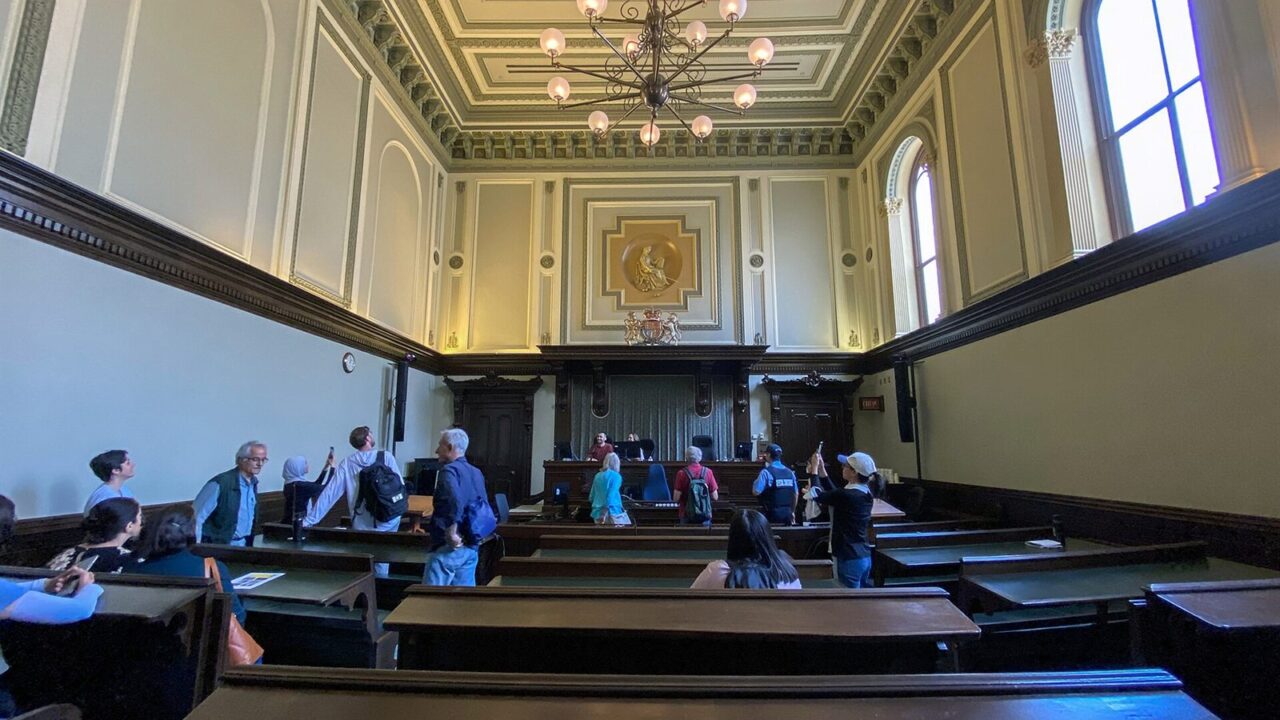
A case management conference sounds administrative, and it is — but it is administrative in the way a pre-flight checklist is. The judge is setting the schedule the rest of the case will run on: deadlines, discovery limits, expert disclosures, and the trial date. What happens in twenty minutes can determine whether the next year goes smoothly or turns into a series of missed deadlines and sanctions.
The name varies. Some courts call it a scheduling conference, a status conference, a case management hearing, or a pretrial conference. The function is the same: the court takes control of the calendar.
What the conference is for
Civil cases do not manage themselves. Left alone, they drift: discovery drags, motions pile up, and the trial date recedes. Courts respond with a structured early conference where the judge or a magistrate does five things:
- Confirms the parties, the claims, and the defenses
- Sets a discovery plan and its limits
- Sets deadlines for amendments, experts, dispositive motions, and trial
- Addresses settlement — whether the parties have discussed it, and whether mediation should be ordered
- Resolves preliminary disputes about jurisdiction, service, or procedure
In many courts the conference follows a written report the parties must file jointly beforehand. That report is not a formality. It is often the document the judge actually reads, and disagreements recorded in it become the agenda.
Before the conference: the joint report
Most scheduling orders require the parties to confer and submit a joint case management statement. Typical contents:
- A short statement of the case, from each side
- The principal factual and legal issues in dispute
- Whether jurisdiction and venue are contested
- The proposed discovery plan, including scope and limits
- Whether expert testimony will be needed, and in what fields
- A proposed schedule with specific dates
- Whether the parties have discussed settlement and whether they will mediate
- Any consent to proceed before a magistrate
Meet and confer before drafting. Courts react poorly to a report that says “counsel were unable to agree on anything,” and the party who refused to confer is usually the one who gets the lecture.
Propose dates you can actually meet. A schedule is a commitment. Asking to extend a deadline you proposed six months earlier is a credibility problem, and repeated extensions are how cases lose their trial date.
What to bring
Whether you are represented or appearing for yourself, arrive with:
- The docket. Know every filing to date, including anything filed by the other side that you have not read.
- The complaint and answer. Be able to state the claims and defenses in one sentence each.
- Your calendar. Actual availability for the next twelve months, including known conflicts.
- The discovery you need. A list of the categories of documents and the witnesses, with reasons.
- Your settlement position. Not a number to disclose necessarily, but a clear sense of what would resolve it.
- The joint report. A copy, with your portions marked.
Self-represented parties should also bring a notebook and take notes. Judges are more patient with a litigant who is organized and less patient with one who is not, and the notes become your record of what was ordered.
What actually happens in the room
Conferences are usually short. Many are held by video or telephone. The judge works through a checklist, asks each side to confirm positions, and issues an order — often from the bench, sometimes in a written scheduling order issued afterward.
Expect to be asked:
- What is this case about, in two sentences?
- Have you served the defendant, and is jurisdiction proper?
- What discovery do you need, and how long will it take?
- Are there any pending motions?
- Have you discussed settlement? Would mediation help?
- Is there anything the court should know that is not in the report?
Answer briefly. The judge has a calendar of these. Long speeches get cut off, and the parts that get cut off are usually the parts you cared about.
Discovery limits: the decision that shapes the case
This is the most consequential part of the conference. Discovery costs money, and the scope set here determines how much. Topics the court will address:
- Number of interrogatories and depositions. Many courts impose presumptive limits; asking to exceed them requires justification.
- Document requests and ESI. Electronically stored information raises questions about search terms, custodians, and cost allocation.
- Expert disclosures. Deadlines for reports and depositions, and whether the case needs experts at all.
- Protective orders. If confidential business records or medical records are involved, propose an order now rather than litigating it later.
- Preservation. Confirm in writing that relevant records and communications are being preserved.
If you need more than the default, bring a specific justification: the number of custodians, the volume of records, the technical subject matter. “It’s a big case” does not persuade.
Deadlines and the consequences of missing them
The scheduling order is enforceable. Missing a deadline can mean waiver of a claim, exclusion of an expert, or dismissal. Courts generally require a showing of good cause to modify a schedule after the fact, and “we were busy” is not good cause.
Three habits prevent most problems:
- Calendar every date the moment the order issues, with reminders two weeks and two days before.
- If a deadline is at risk, ask for an extension before it passes, in writing, with the other side’s position stated.
- Keep a file of every order and every confirmation. When a dispute arises about what was ordered, the paper decides it.
Read the order the same day. Scheduling orders sometimes contain dates that differ from what was said at the hearing. The written order controls, and the clock starts when it issues, not when you get around to reading it.
Settlement and mediation
Most judges ask about settlement at the first conference. That is not pressure; it is case management. A case that settles in month three saves the court a year of work and saves the parties most of their costs.
Come prepared to say whether mediation has been discussed and whether you are willing. A useful answer is specific: “We have exchanged demands, the gap is about $30,000, and we would mediate after the first round of document production.” A refusal with no reason invites an order compelling mediation anyway.
If you are representing yourself
Self-represented litigants are held to the same rules as lawyers, and courts generally say so explicitly. That means the scheduling order binds you, the discovery rules apply to you, and the deadlines do not move because you did not know about them.
Two practical suggestions. First, ask the clerk for the court’s self-help materials and read the local rules before the conference; many courts publish a checklist for exactly this hearing. Second, take notes and, after the conference, send the other side a short email summarizing what you understood the court to order. If you are wrong, you will find out early.
After the conference
Within a day or two, confirm the order in writing, update your calendar, and identify the first deadline. Then work backward from it. The first date is usually the one that sets the tone, and parties who miss the first deadline spend the rest of the case explaining it.
The conference itself is not where cases are won. It is where the conditions for winning or losing are set — how much discovery you get, how much time you have, and whether the court believes you are prepared. Twenty minutes of preparation before the hearing buys a year of smoother procedure after it.
This guide is general information about civil case management conferences in the United States. Conference requirements, report formats, discovery limits, and deadlines are set by court rules that vary by state and by individual court. Check your court’s local rules and any standing order in your case.